
Why This Place Matters
A Landmark Worth Preserving
The Spanish Fork Sugar Beet Factory is more than an old building; it’s a living reminder of the innovation, resilience, and community that helped build our state’s economy. Preserving it isn’t just about saving brick and mortar; it’s about protecting the stories, achievements, and lessons that shaped Utah.
A Foundation of Utah’s Economy
Where Utah’s Growth Took Root (Pun Totally Intended)
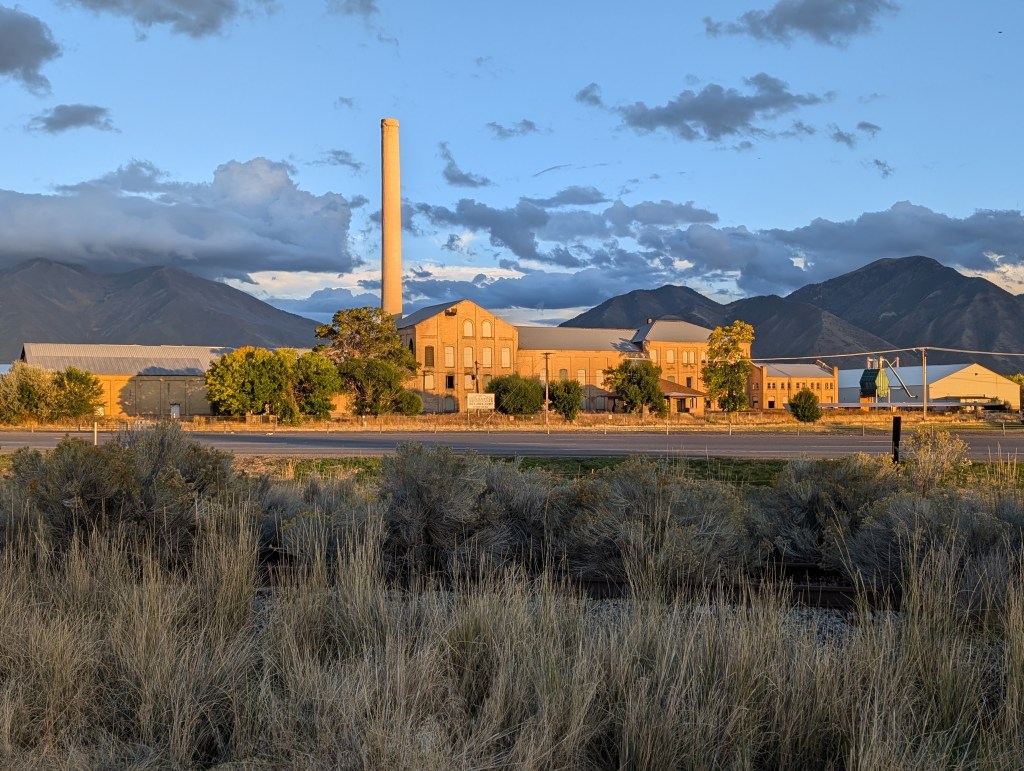
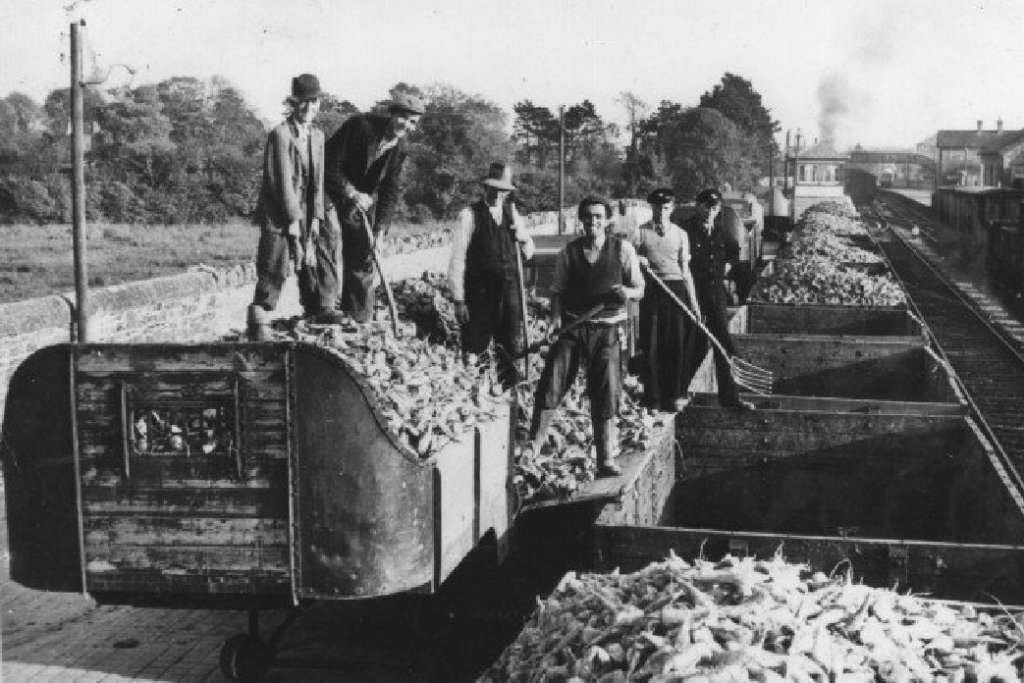
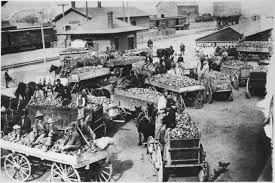
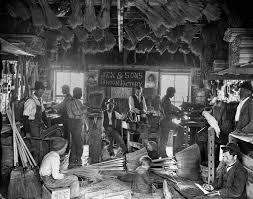
The sugar beet industry was once a major force in Utah’s early economy—creating needed jobs, building wealth for communities, and fueling technological progress long before modern industries emerged. Across the state, multiple factories powered this growth, but today the Spanish Fork Sugar Beet Factory is the last surviving one. It stands as a rare and irreplaceable symbol of the grit, hard work, and local ingenuity that helped shape Utah into what it is today.
A Visual Piece of History
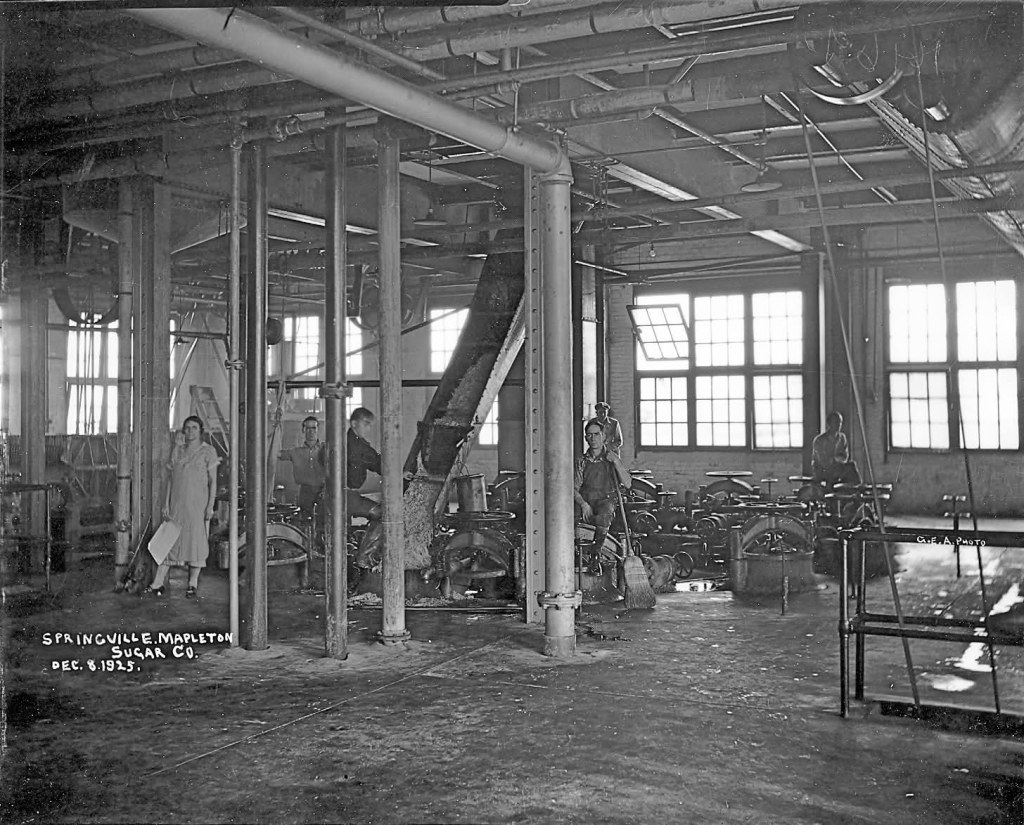
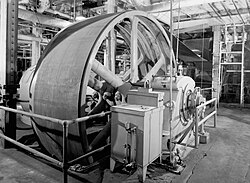
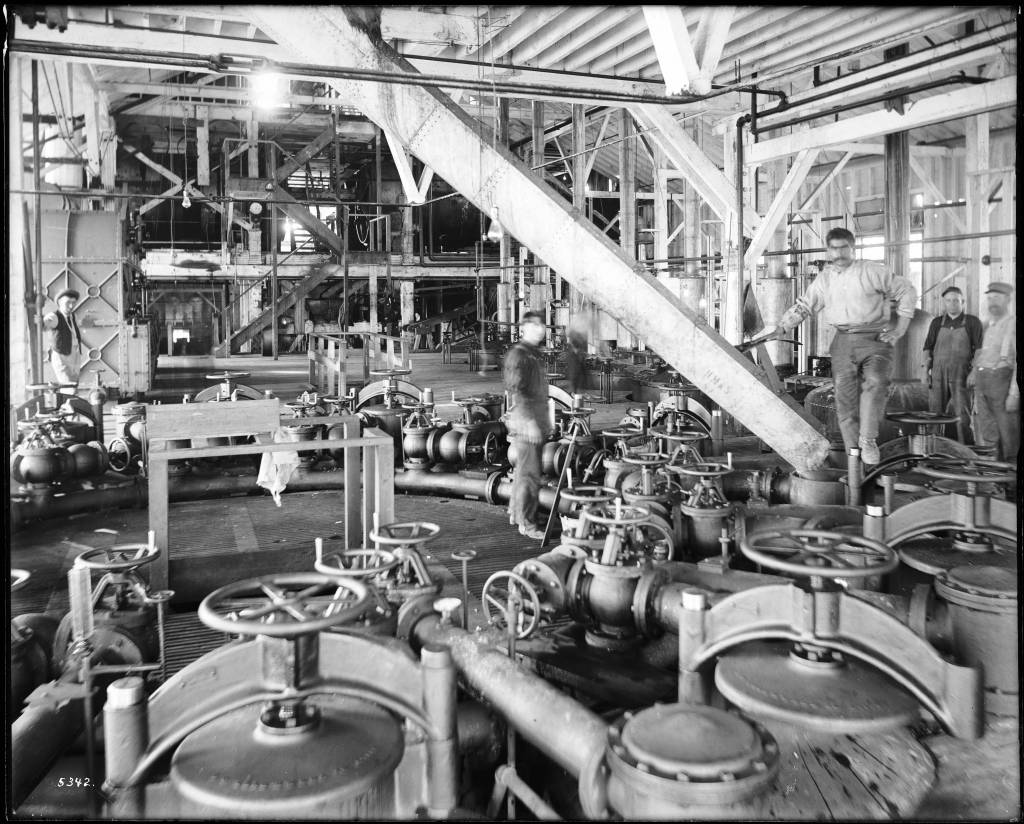
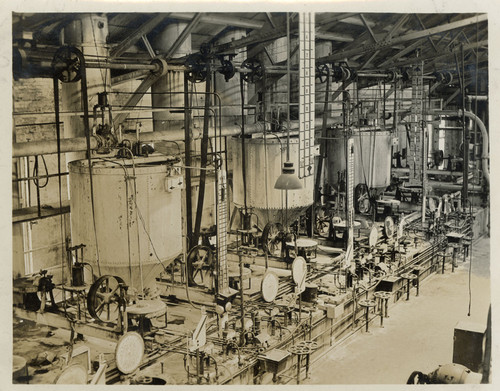
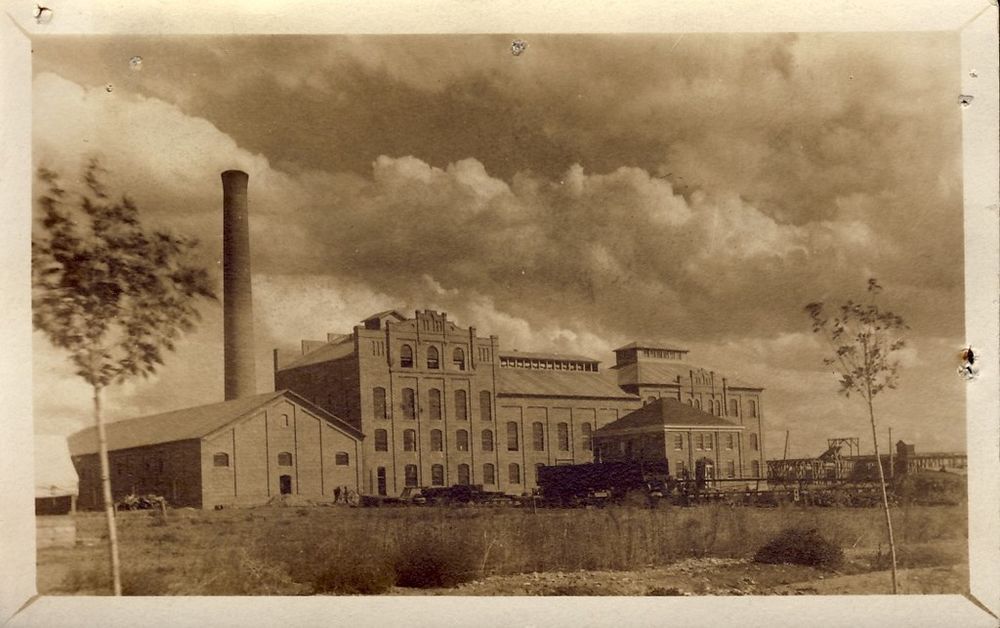
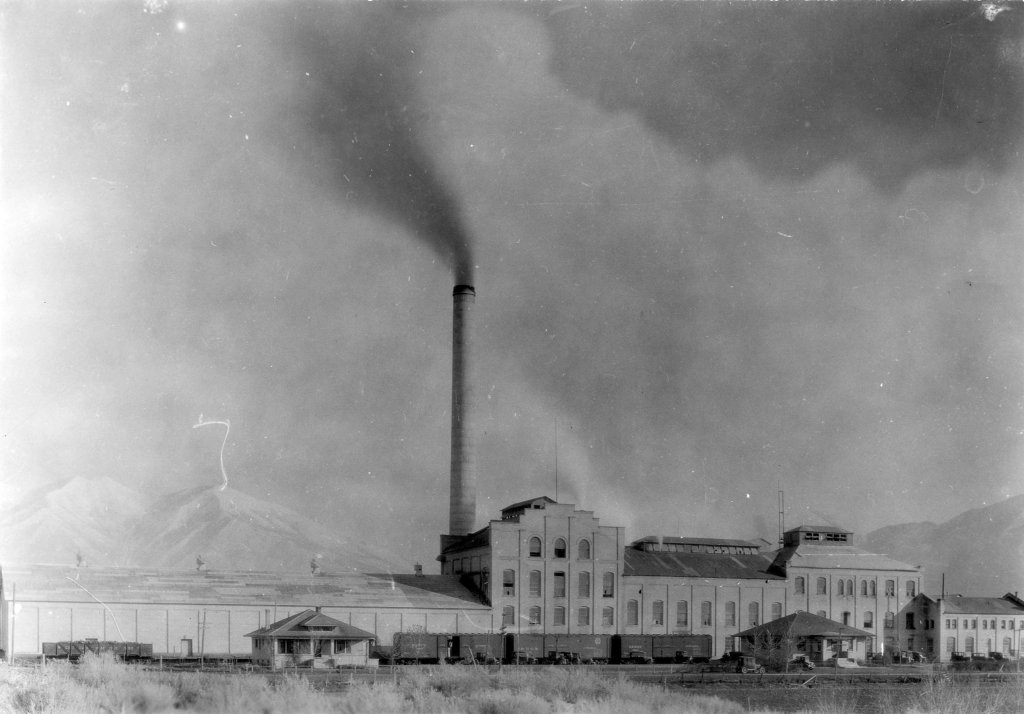
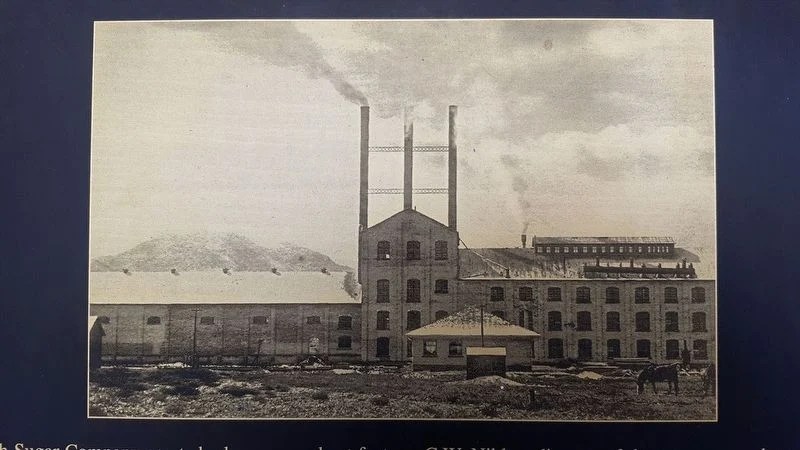
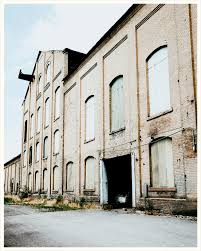
History You Can Actually See
Experiencing the Past, Not Just Remembering It
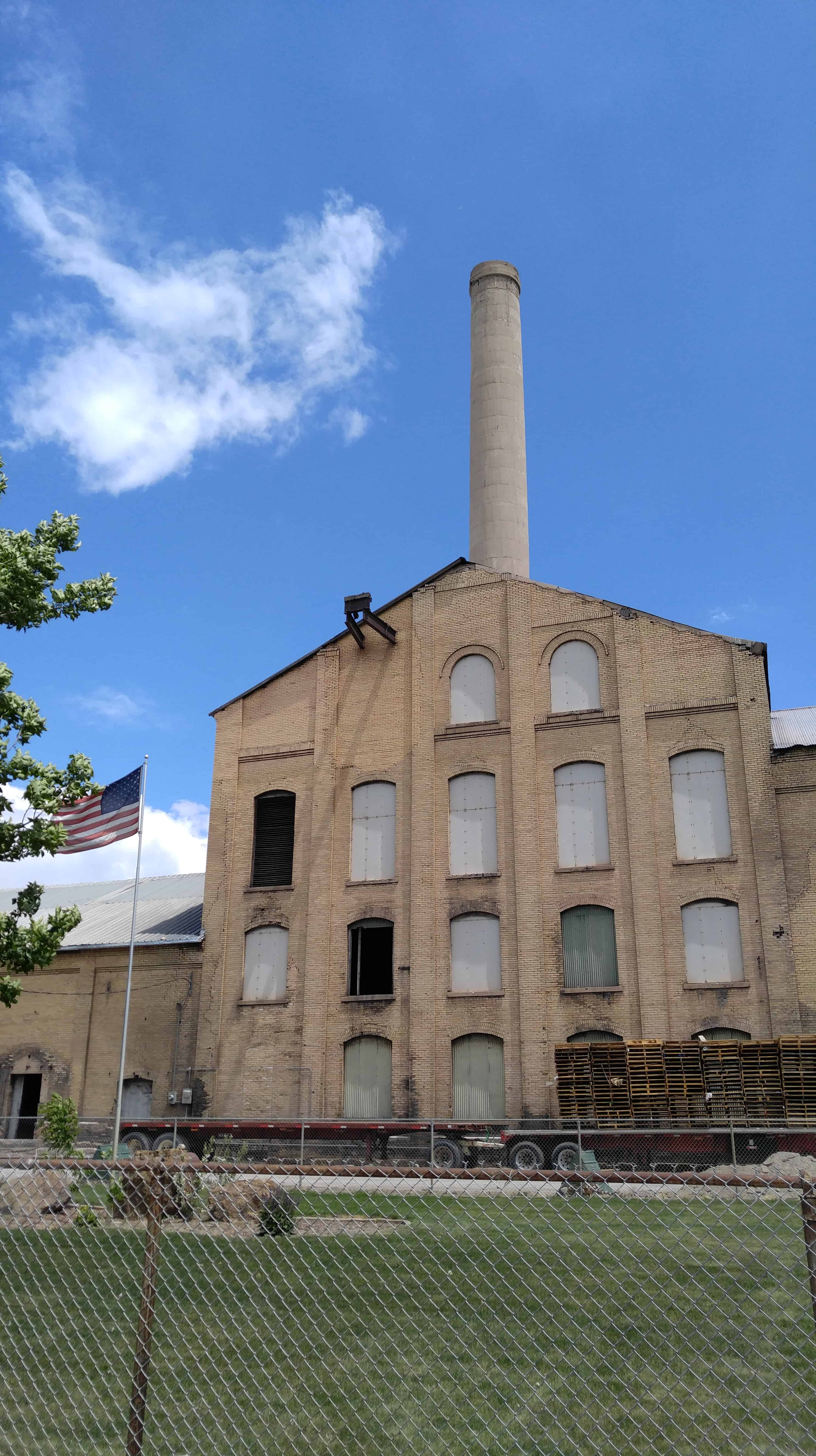
Standing before this towering structure, history stops feeling distant and becomes something you can physically experience. The weathered brick, the industrial steelwork, and the sheer scale of the factory offer a vivid glimpse into the hands-on labor and innovation that once filled its walls. It’s a place where you can almost hear the machinery, imagine the workers, and sense the momentum of an era that shaped entire communities. Preserving the factory means keeping alive not just the building, but the lessons and legacy that shaped Utah’s identity.
Spanish Fork Sugar Beet Factory Timeline
1870s–1890s | Utah Dreams of Local Sugar
Utah leaders and farmers push to produce sugar locally rather than import it. Early experiments prove irrigated land and community labor could support a new industry—laying the foundation for sugar beets in Utah.
1891 | Utah’s First Beet Sugar Breakthrough
Utah’s first successful beet sugar factory opens in Lehi, producing refined white sugar. This moment proves sugar beets can thrive in Utah and sparks factory construction across the state.
1900–1907 | Sugar Becomes Big Business
Factories spread across northern and central Utah, tying farming, railroads, and industry together. In 1907, multiple operations merged to form the Utah-Idaho Sugar Company (U&I Sugar)—a regional powerhouse.
1916 | The Spanish Fork Sugar Factory Opens
Built during World War I to meet soaring demand, the Spanish Fork factory opened using relocated equipment from Idaho. It quickly becomes one of the largest industrial sites in southern Utah County.
1916–1920s | A Factory Town Takes Shape
The Spanish Fork factory anchors local farming, employment, and seasonal rhythms. Each fall, “campaign” brings hundreds of workers and thousands of tons of sugar beets through its doors.
1920s–1930s | Industry Decline, Spanish Fork Endures
After World War I, sugar prices fell, and beet disease spread. Many Utah factories close—but Spanish Fork survives, adapting through economic downturns and the Great Depression.
1940s | The End of an Era Nears
Mechanization and consolidation favor fewer, larger factories outside Utah. Though still productive, Spanish Fork faces rising costs and changing industry economics.
1952 | The Spanish Fork Factory Closes
After nearly 40 years of operation, the Spanish Fork Sugar Factory shut down. Sugar production continues elsewhere, but Utah’s factory era begins to fade.
1952–Today | A Rare Industrial Survivor
Unlike most Utah sugar factories, Spanish Fork is never demolished. Its towering walls and industrial spaces remain—one of the last intact sugar beet factories in the state.
Lessons Built Into the Walls
A Place That Taught More Than Work
For decades, this factory was a place where people learned the value of effort, responsibility, and working toward something bigger than themselves. Families grew alongside it, passing down more than stories—they passed down examples of perseverance, ingenuity, and pride in a job well done. The lessons learned here shaped how people approached challenges both inside and outside these walls. Preserving the factory ensures those lessons remain visible and tangible, reminding future generations that progress is built through patience, cooperation, and care.
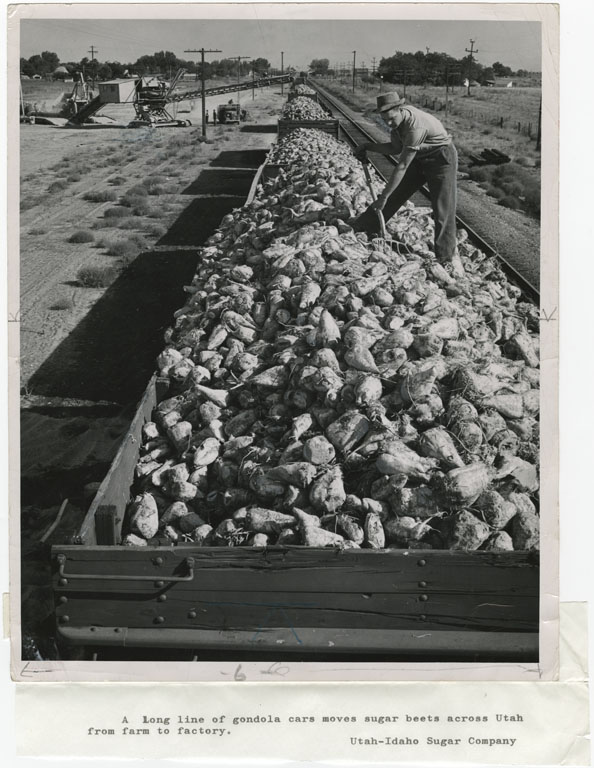
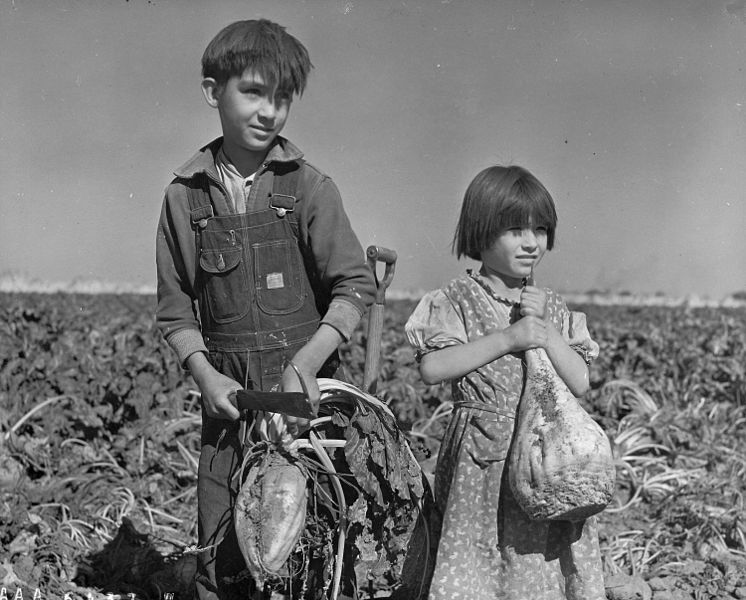
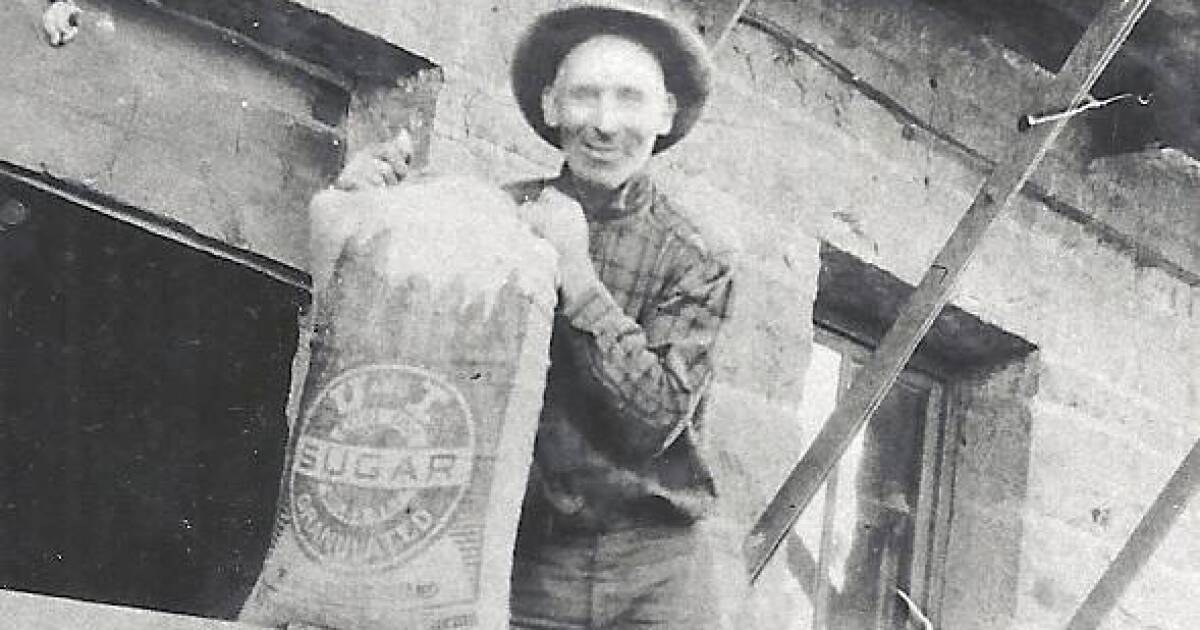


Inspiring Future Generations
Preserving the Past to Guide the Future
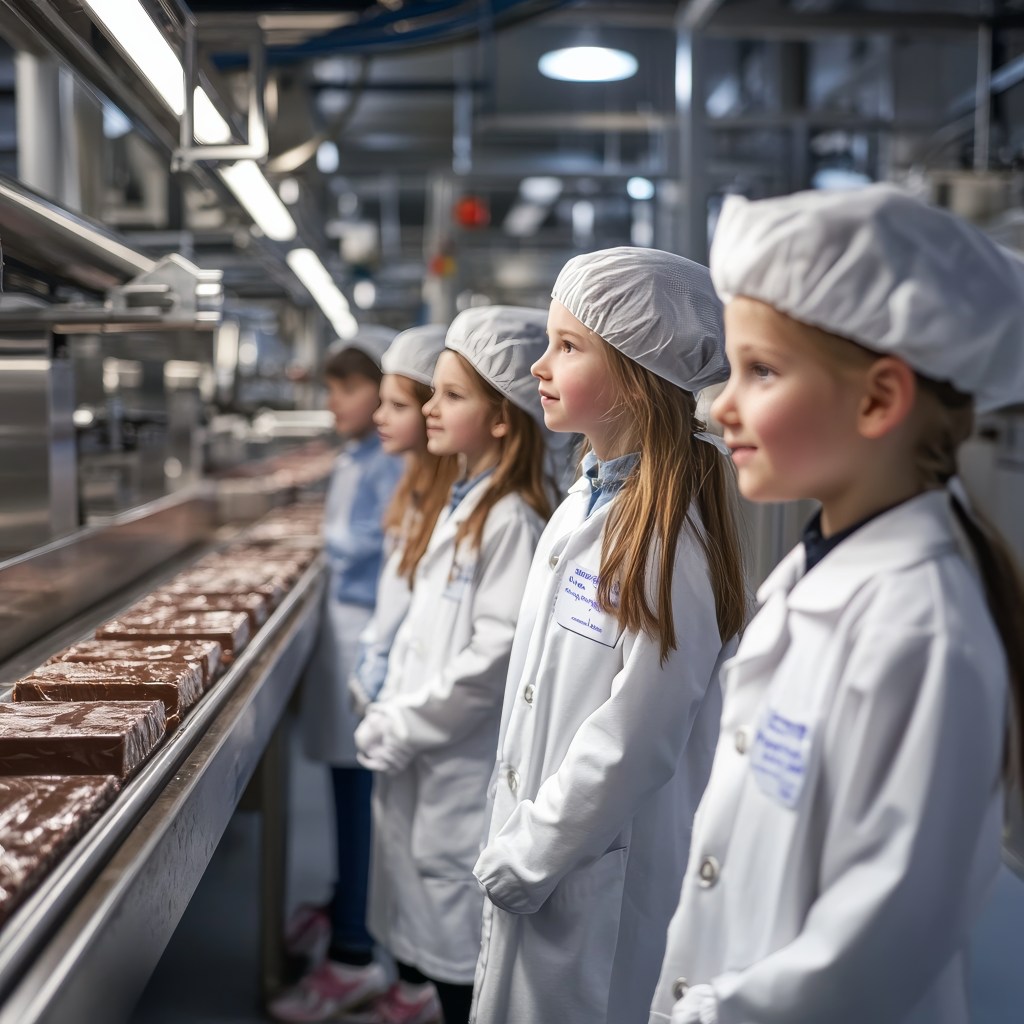
The next generation deserves more than a paragraph in a textbook about Utah’s roots. Preserving the Sugar Beet Factory would give students, families, and visitors a rare, hands-on chance to experience history up close—exploring engineering, agriculture, economics, and the power of community. By engaging with the past in a meaningful way, future generations can find inspiration to innovate, adapt, and continue shaping the growth of their own communities.


Safeguarding Community Identity
A landmark that belongs to all of us
Landmarks shape the character of a community, and once they’re gone, they can never be replaced. Preserving the Sugar Beet Factory protects a part of Utah’s identity—our shared values, achievements, and progress. It reminds us where we came from and encourages us to boldly shape where we’re going.
The Time to Act
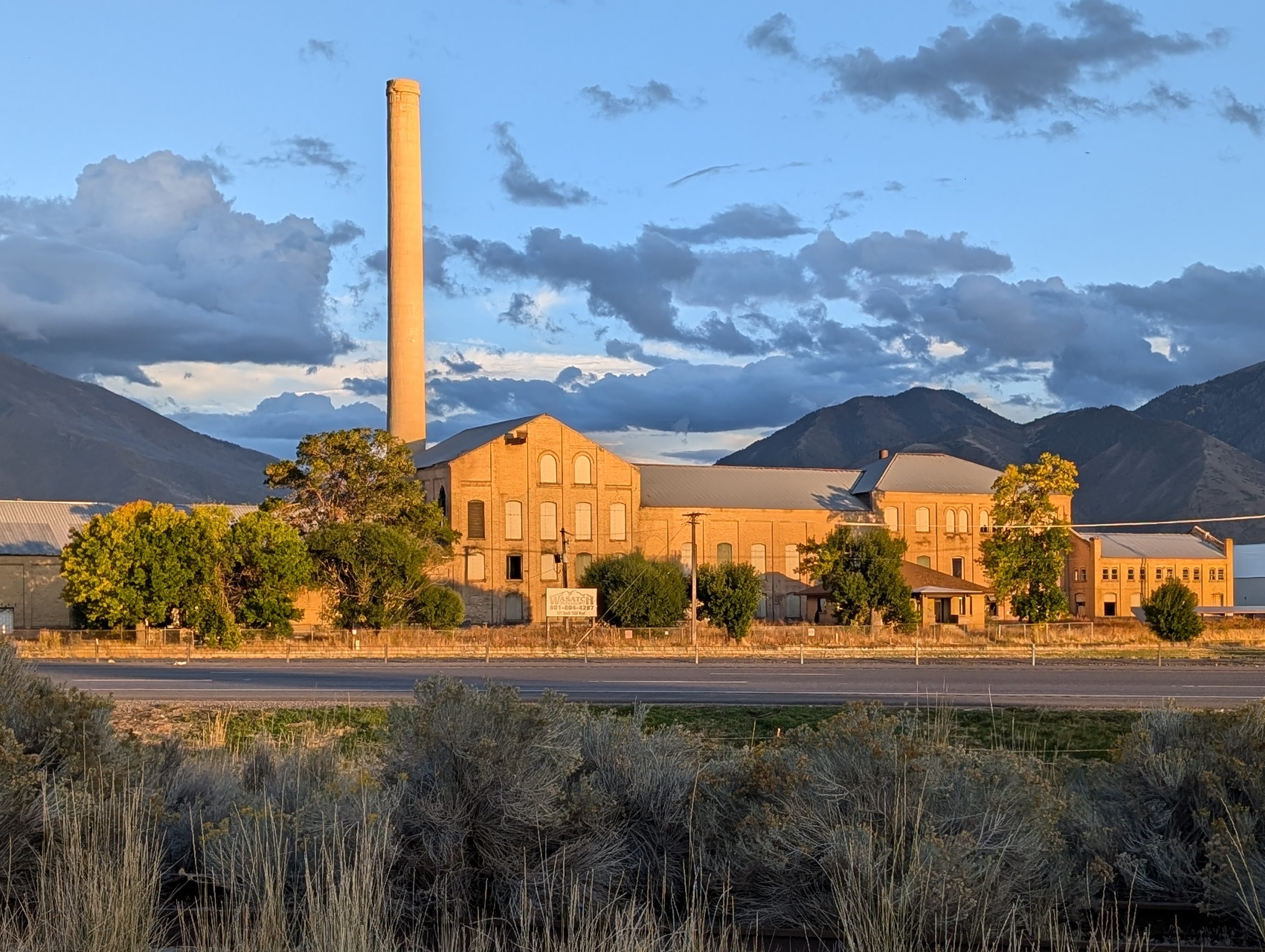


This building has stood for generations—but it won’t stay standing on its own. By coming together, we ensure that this landmark continues to tell its story, teach its lessons, and inspire the innovators of tomorrow. Let’s protect a piece of history that’s truly sweet!
 Savethefactory.com